
Stay Profitable in Chaos: MSME Survival Plan for the Gulf Crisis
March 17, 2026
India vs China: What the 2026 WDMMA Air Power Rankings Actually Measure.
July 15, 2026
The headline going around is simple, Indians can now tap and pay in nine countries. It is true and if you have ever stood at a foreign counter fumbling with a forex card while the queue behind you grows, it is genuinely good news.
That is the small story. The bigger one is quietly reshaping who controls the way money moves around the world and that story is the one I am telling here.
First, The Part You Have Already Heard.
UPI, India’s Unified Payments Interface, is now accepted at shop counters in nine countries.
Asia : UAE, Singapore, Qatar, Nepal, Bhutan, Sri Lanka, Cambodia.
Europe : France.
Africa : Mauritius.
Latest entrant is Cambodia on June 2026, where an Indian visitor can now pay straight from their UPI app in roughly 4.5 million shops.
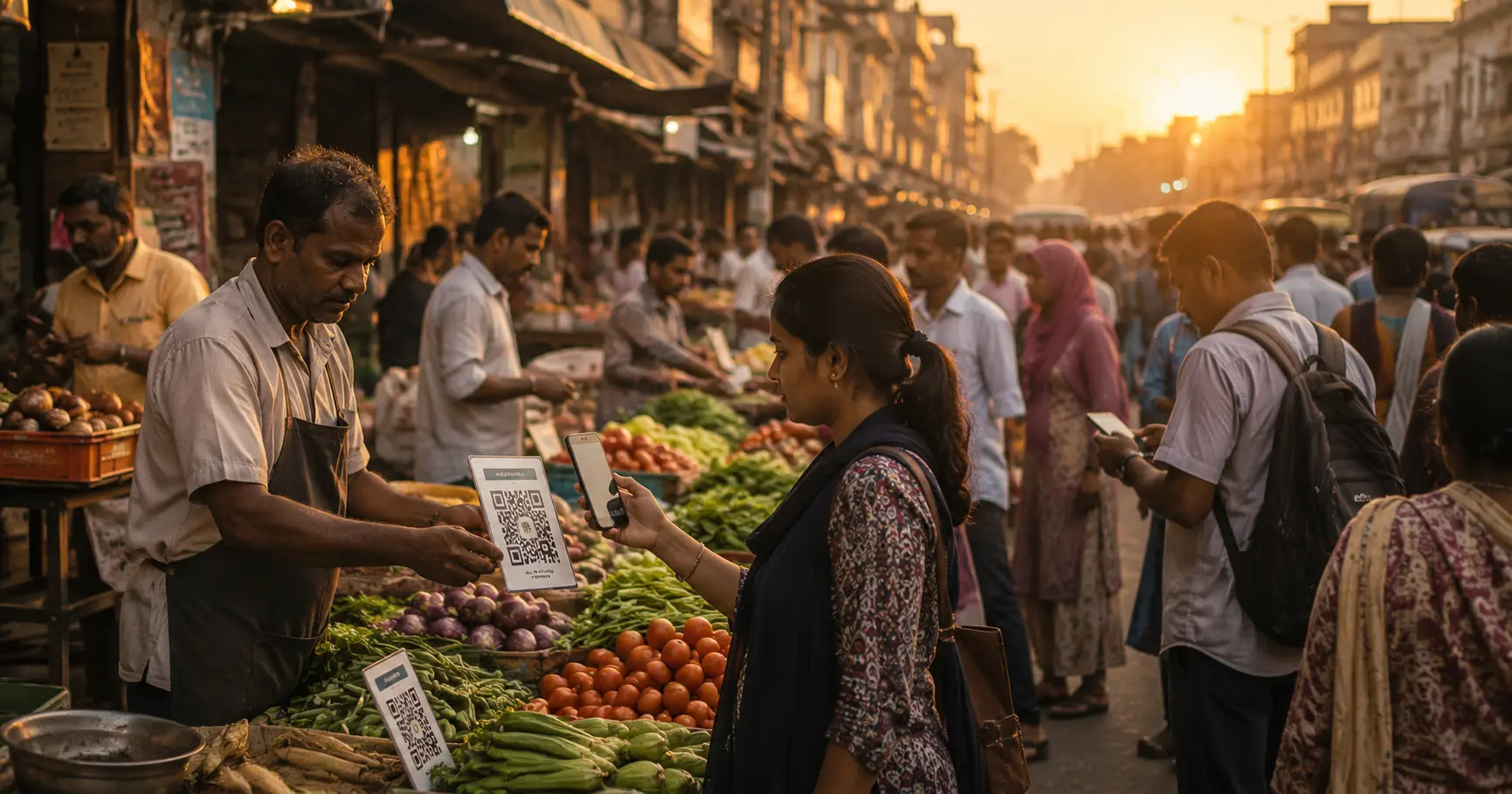
For a traveller, this is the whole appeal. No card, no currency conversion at a bad rate, no plastic to lose. You pay abroad the same way you pay for chai at home.
Convenient. Familiar. Still only the surface.
Second, The Number That Reframes Everything.
Here is what turns a travel convenience story into something far larger.
UPI now processes more payments in a single day than Visa or Mastercard. On a typical day it clears over 700 million transactions. Visa averages around 640 million. Mastercard sits near 400 million.
One honest clarification because it matters, also because you will see people argue about it. This is a comparison of the number of payments, not their total money value. Visa and Mastercard still move far more money overall because their transactions are large card purchases while a great many UPI payments are small everyday transfers and UPI’s volume is still largely domestic, while the card networks are global.
Sit with the count anyway, because the count is the point. The single largest real time payment system on earth, by number of transactions, is now Indian and it runs on public infrastructure, with no card, no swipe fee, no private network abroad taking a slice of every transaction.
For decades the default assumption was that digital money had to ride on a rail owned by a company in another country, which charged a toll each time it moved. India built a different answer. The scale now says the answer works.
Third, The World Noticed And This Is Where It Gets Interesting.
Once a system proves itself at that scale, other countries stop treating it as a curiosity and start treating it as an option. The response has taken three very different shapes and the difference between them is the real highlight.
One: They use it to pay. This is the nine country group above. An Indian traveller scans, the shopkeeper gets paid, done.
Two: They use it to send money home. Greece went live on June 30, but not for shopping. There, UPI moves money from Greece back to India in seconds, at a fraction of what a traditional remittance used to cost. Same rail, entirely different job. For the millions of Indian families who depend on money sent from abroad, cheaper and faster transfers are not a small thing.
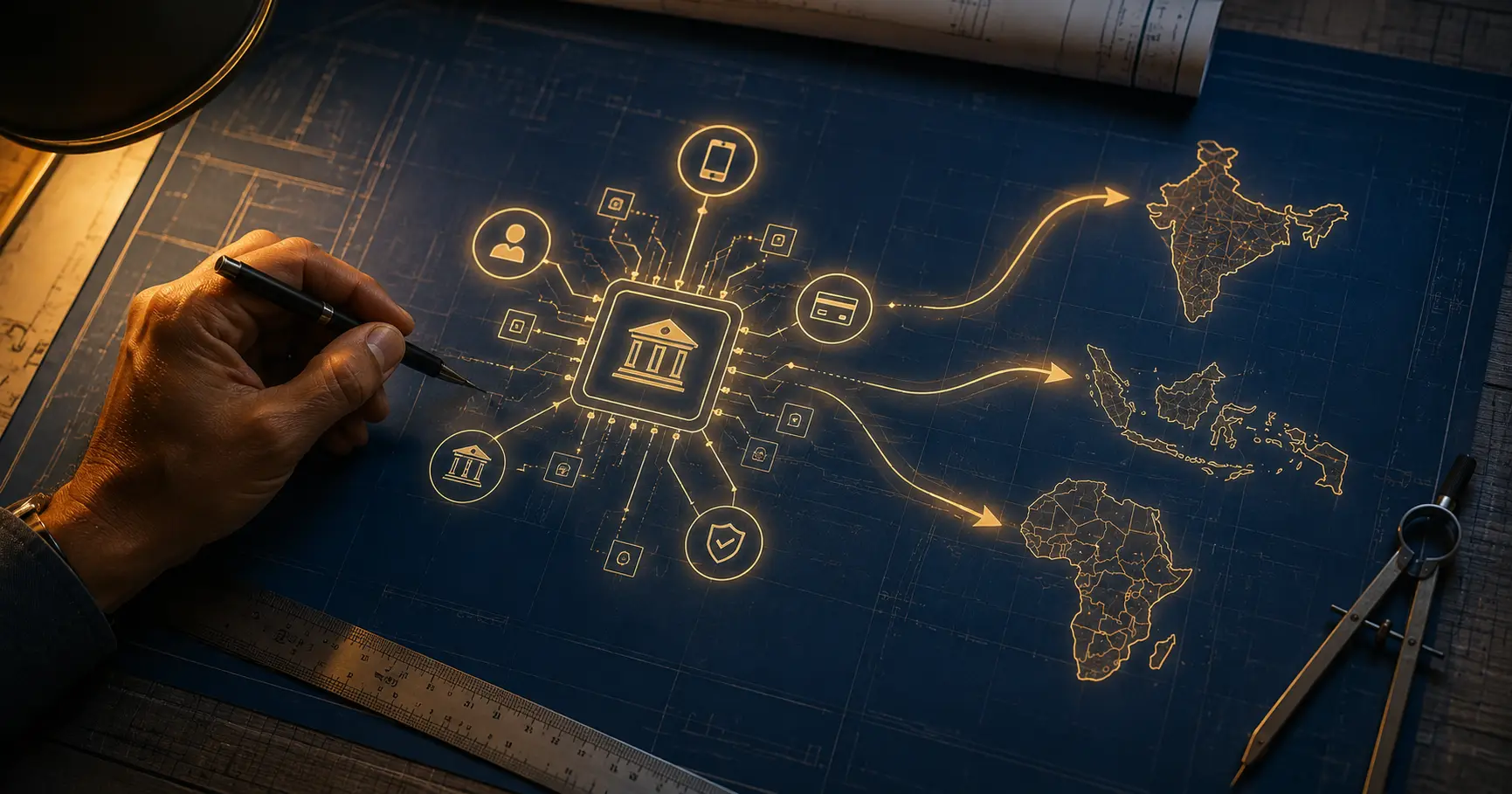
Three: This is the one to watch. Namibia and Peru have agreed to build their own national payment systems on India’s design. Rwanda is in discussions to do the same. These countries are not accepting UPI. They are copying the blueprint and constructing sovereign systems of their own, on what India built.
India did not just export an app. It exported a template for financial independence and other nations are choosing that template over the incumbents who have run the rails for fifty years.
Why A Country Would Choose The Indian BluePrint Over Established Brands Like Visa And Mastercard.
Put yourself in the position of a central bank in a smaller economy. Every card swipe in your country sends a fee to a foreign company and every transaction runs through a network you do not control. Along comes a proven model that lets you build your own rail, keep the fees inside your borders and keep control of your own financial plumbing.
A choice like that has little to do with marketing. It comes down to control, over the money, the fees and the infrastructure itself. Once a single country walks that path and it holds, others have the cover they were waiting for.
This is why the “India built something impressive” framing undersells what is happening. Impressive is the wrong word, because it lets you nod and scroll past. This is not about admiration. It is about which model becomes the default for global payments and right now the one pulling ahead is public, open and built by a government rather than a card company.
What Comes Next?
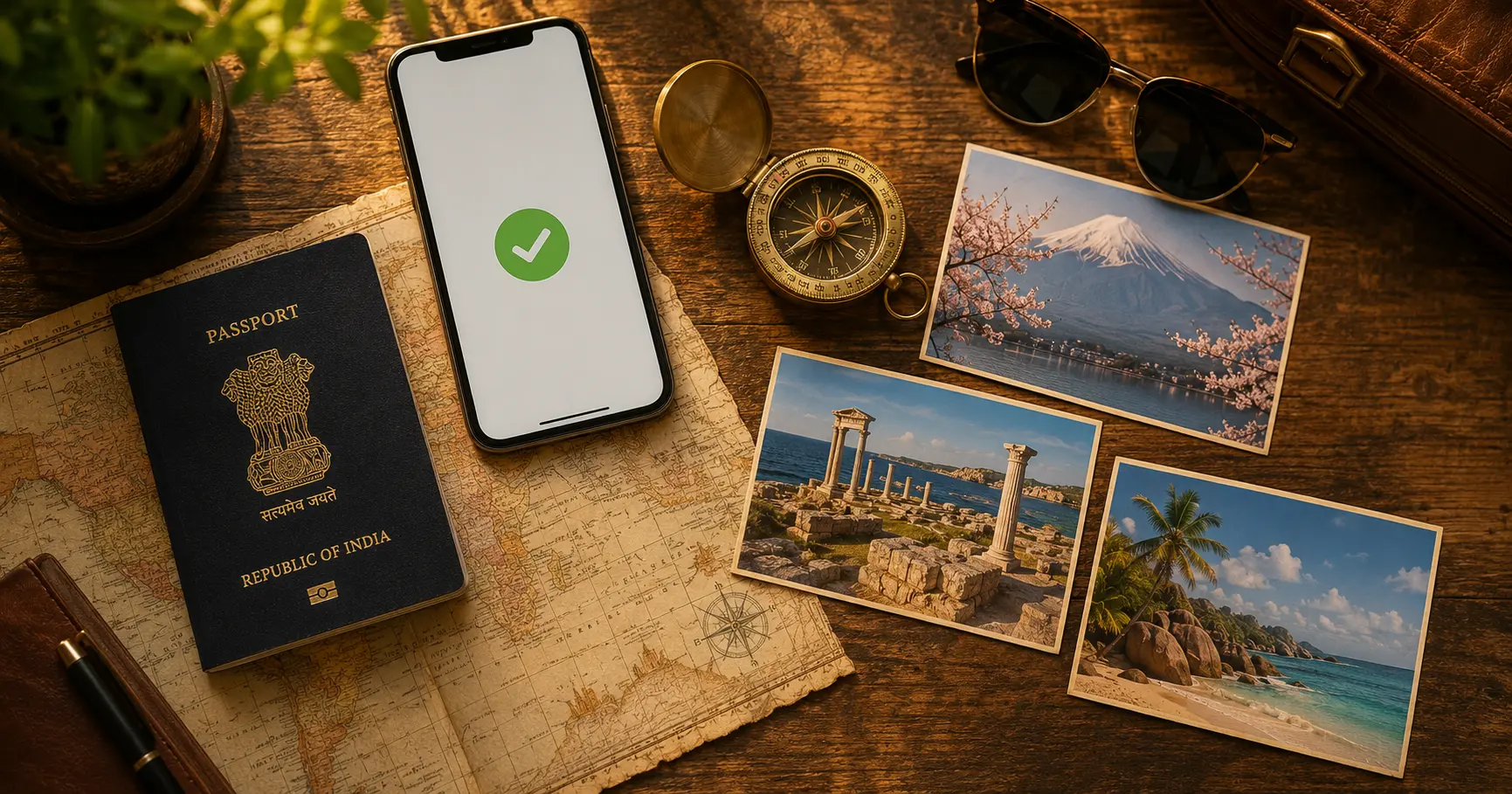
The expansion is not slowing down. Japan, Cyprus and Seychelles are all lined up next, at various stages of agreement and rollout, with Cyprus targeting an operational launch in 2027 and Seychelles aiming for the end of this year.
So the question worth carrying out of all this is no longer whether India built something that works. It clearly did. The question is what it means that other countries are now building their own versions of it and what that does to the private networks that have quietly taxed every swipe for half a century.
Watch the countries that are copying the blueprint. That is where this story is actually being written.