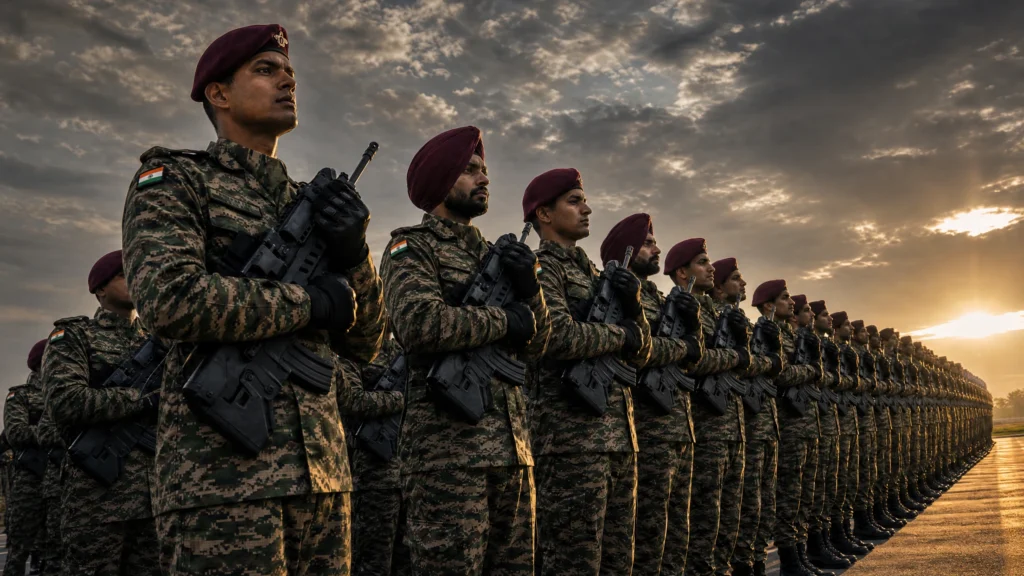

India has never spent more on defending itself than it does right now. That is the headline, and every rupee of it is real. The quieter story sits just beneath it, and that is the one worth your time.
This year the Ministry of Defence received 7.85 lakh crore rupees, close to 93 billion dollars. It is an increase of more than 15 percent in a single year. It is the single largest line in the entire Union Budget, ahead of every other ministry in the country. It is more than triple what India spent in 2014. Taken together, those figures make India the fifth largest military spender on earth.
This is not a nation that is asleep to its own security. The intent is on the table, in ink, at a scale India has never attempted before.
So the interesting question is not whether India is spending. It is what that spending is actually doing.
Look at defence not as a rupee figure but as a share of everything the central government spends, and a different trend appears. In 2014, defence took 17.1 percent of that total. Today it takes 14.67 percent. The absolute number keeps climbing while its share of the national budget has quietly drifted down.
Then follow the money into the budget itself, and the picture sharpens further. Almost half of India’s defence spending goes to pay and pensions. Pensions alone cross 1.71 lakh crore rupees. Only about 29 percent of the budget is capital expenditure, the part that actually buys new equipment, new platforms, new capability.
A budget can be the biggest in a country’s history and still carry more of yesterday’s weight than tomorrow’s edge. That is the tension India is living inside.
While India weighs its own composition, the neighbourhood is moving.
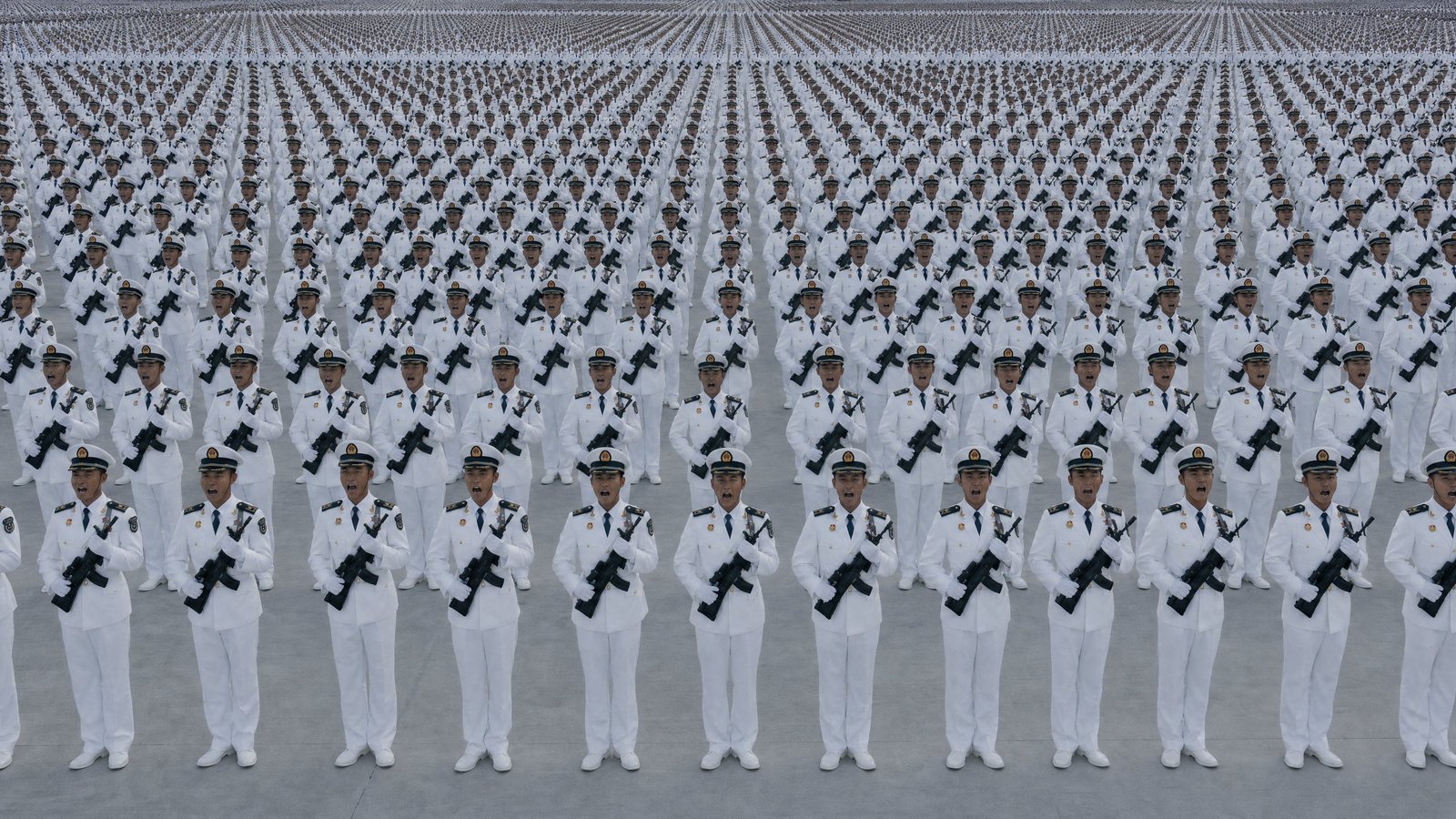
China lifted its military budget again this year. It was the eleventh straight annual rise, bringing declared spending to around 277 billion dollars, close to three times what India spends. Most independent analysts, including the Pentagon, believe the true figure runs well above what Beijing publishes. China now accounts for nearly 44 percent of all military spending in Asia.
More telling than the size is the direction. China is not simply buying more of the same. It is pouring money into artificial intelligence, hypersonic weapons, cyber capability and autonomous systems. The contest it is preparing for is not measured in how many soldiers a nation can march. It is measured in how modern the arsenal behind them is.
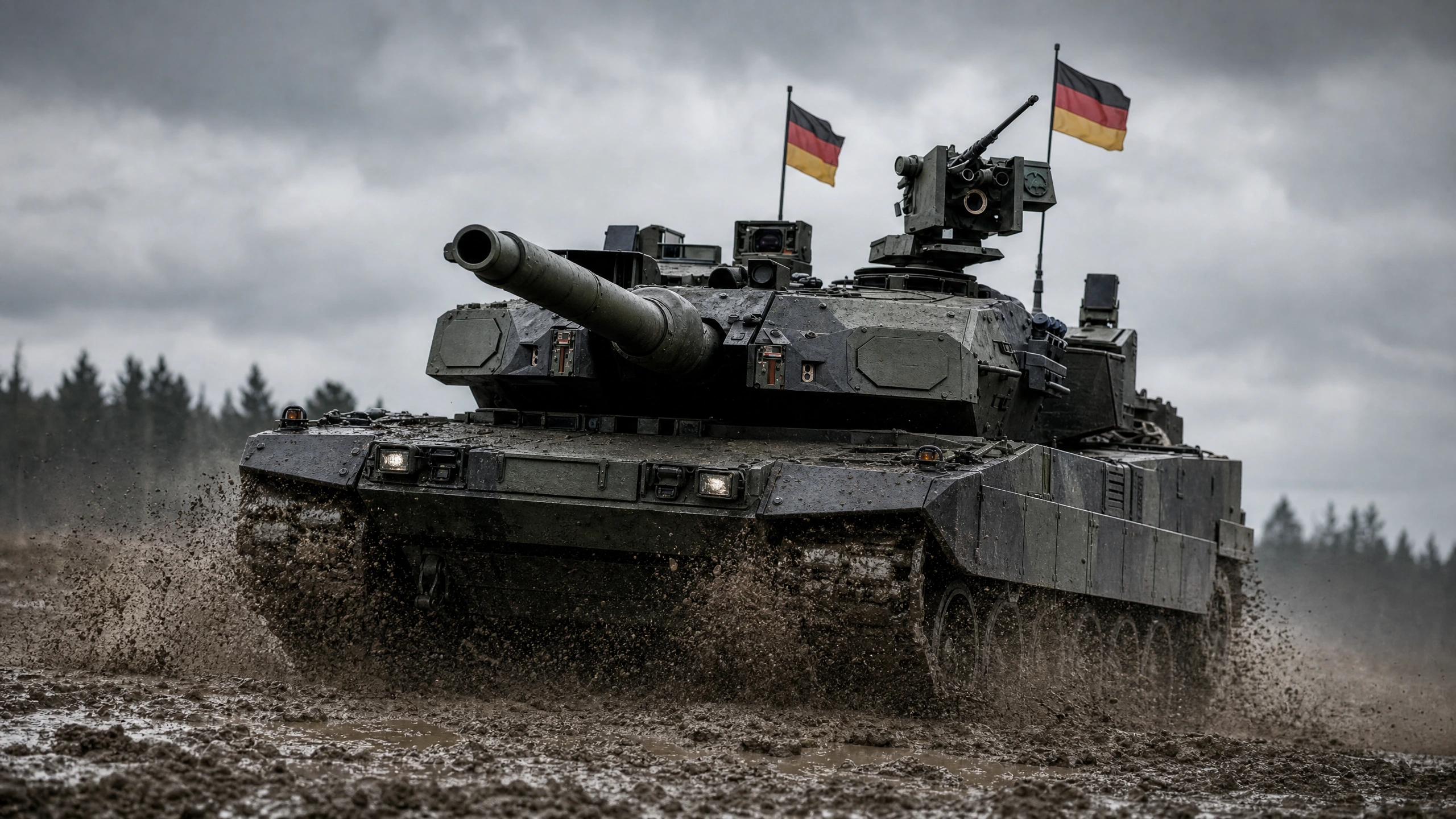
Europe tells the same story from the other side of the world. Global military spending has reached a record 2.9 trillion dollars, and European members of NATO raised their spending in 2025 at the fastest rate since 1953. Germany sits at the centre of it. Confronting Russia’s aggression, it increased its own defence spending by about a quarter in a single year, to roughly 114 billion dollars, the largest in Europe. It crossed 2 percent of its economy on defence for the first time since 1990, a 36-year high. Its stated goal is blunt, to build the strongest conventional army on the continent.
Germany faced the same choice India faces now, between comfort and commitment, and it chose quickly.
This is the real shift underneath every one of these numbers. For most of the last century, military strength was counted in mass. Troops, tanks, tonnage. That currency is changing. The advantage is moving toward the side with the sharper, faster, more networked force, not simply the larger one.
India understands this. Its own budget speaks the language of modernisation, indigenous production and self-reliance. The direction is right. The question is one of pace and proportion, of how much of the record cheque reaches the cutting edge, and how quickly.
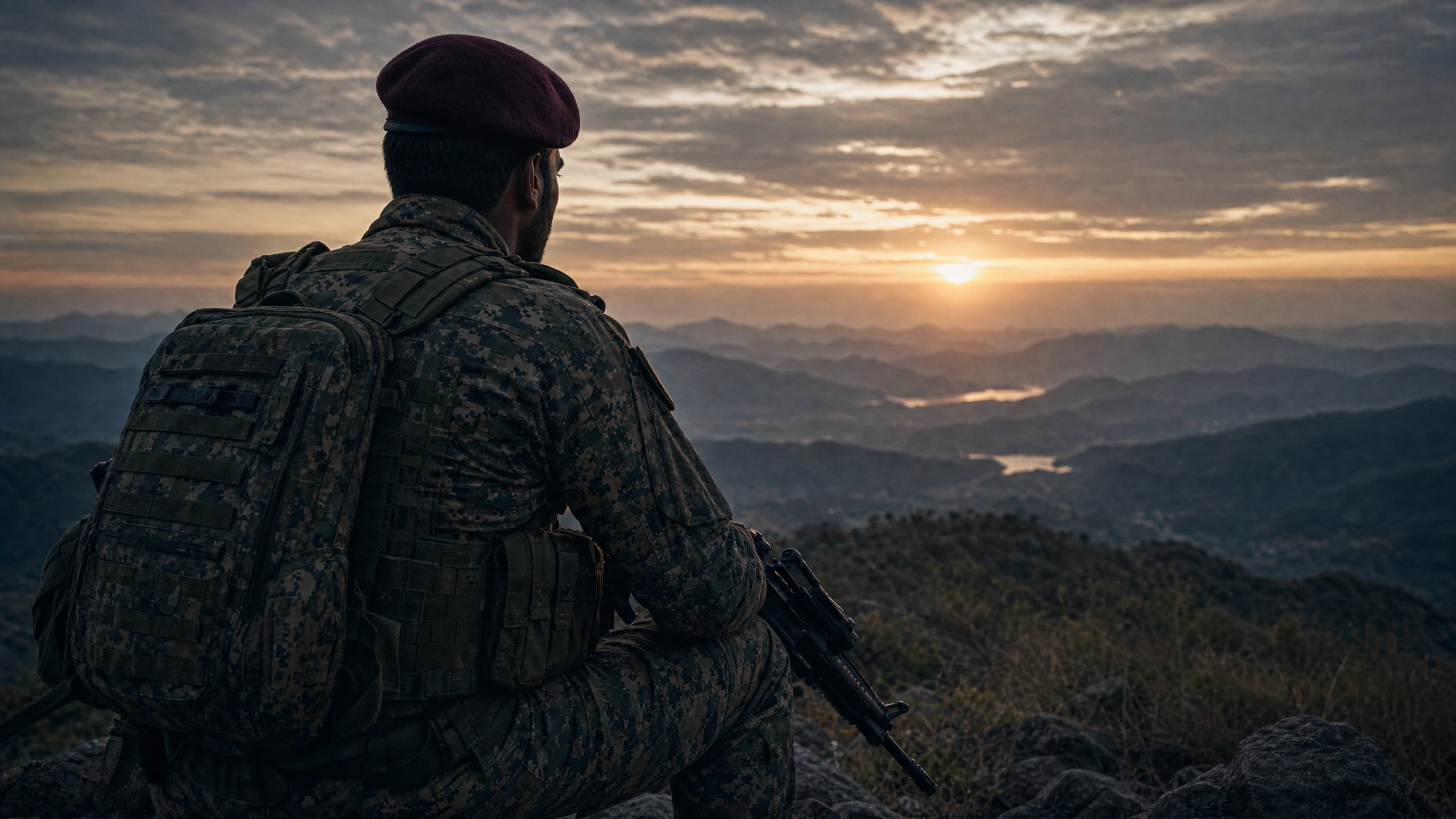
Here is where India stands. It has the soldiers, among the largest and most experienced forces in the world. It has a defence industry that is growing and a policy will that is pointed the right way. What remains is conversion, turning the biggest budget in its history into the sharpest capability in its region.
In a world rearming this fast, that is the work that matters. The size of the cheque was never really the question. What it buys always was.
Standing still, in a decade like this one, is the only real risk.
 Big Announcement: My New Book Trade Easy is Coming This Year!
👉 Stay tuned for the official release date, sneak previews, and pre-order details coming soon!